


The decline of Supreme Court!
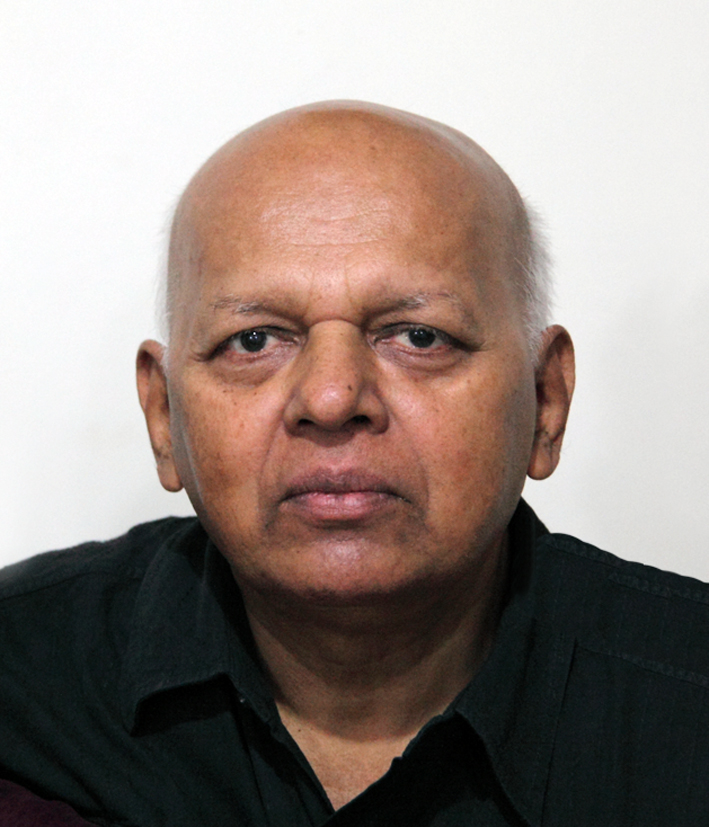
By M.Y.Siddiqui
The Supreme Court of India (SCI), the topmost court of the country as the sole custodian of the country’s Constitution exercises superintendence, direction and control over the executive (government) and the legislature and all the constituent organs thereunder. It has failed the people of India since 2014 to maintain checks and balances over their (executive’s) excesses to safeguard the people’s interests and for that matter the constitutional democracy and the rule of law based system of governance. Under the RSS Pariwar union government since 2014, India is maintaining the trappings of democracy while it increasingly harasses the opposition, attacks minorities, and stifles dissents. The apex court has all the majesty of power to reverse the imminent death of democracy and save the country from electoral autocracy with all the appearances of fascism of Mussolini and Hitler of the 20th century Europe that is being witnessed by the people living in fear, insecurity and uncertainties.
Since 2014, the SCI has faced public criticism for its both perceived and real erosion of independence, increased deference to the government on key political cases, like Ayodhya, Aadhar, Electoral Bonds, some other important cases, favouring the government, unusual case allocation raising concern about executive influence, and debates over judicial activism versus restraint, leading to a decline in its global standing and internal legitimacy, with people noting a shift from its previous image as a powerful check on executive power to one more aligned with majoritarian rule. Key area of concern is increased executive power. People argue and view that the judiciary has yielded to pressure from the RSS Pariwar union government, moving away from its role as a strong protector of people’s rights and democratic institutions.
On case allocation, an unprecedented press conference by four senior judges highlighted concerns about the Chief Justice’s case assignments potentially signaling political influence. In relation to appointment deadlock, the process of judicial appointments (Memorandum of Procedure) MoP has faced stagnation, impacting judicial autonomy. In the area of substantial rulings and constitutional interpretation, the SCI has ruled in favour of the government on major issues, contrasting with past activism. Erosion of activism and a general sense of public disappointment exist over the Court’s failure to act decisively on issues seen as undermining democracy using its backlog as a potential shield. The SCI’s failure to fix Election Commission of India, appointment of election commissioners, under the overturning of the SCI,s decision, to exclude the Chief Justice of India from the appointment panel, rules framed to insulate election commissioners from prosecution, deleting visual records of voting, allowing Special Intensive Revision (SIR) for massive deletion and exclusion of voters and consequential Bihar elections and the miraculous electoral manipulations thereunder to buoy the fascists to perpetuate their autocracy unending through massive electoral frauds and extending SIR are worrying signs and a sure death knell to democracy. The cases of SIR and other issues intended to make Election Commission responsive, transparent and accountable to the people are pending in the apex court for a long time raising public doubts about survival of constitutional democracy in India.
In the area of substantial rulings and constitutional interpretation, people have witnessed pro-government rulings on major issues like the Ayodhya temple, Aadhar and electoral bonds, contrasting with past activism. A general sense of public disappointment exists over the SCI’s failure to act decisively on issues seen as undermining democracy using its backlog as a potential shield. As a result, the Court’s reputation and legitimacy have got a hit with its global standing declining. A study has noted a dip in global citations for the Supreme Court post-2014, suggesting a potential decline in reputation, though other factors like COVID-19 also played a role. Some observers describe an “existential crisis” and a “crisis of legitimacy” within the Court itself.
There has been institutional and procedural concern as well. Repeated reversals of past judgments have been seen, raising questions about consistency and stability. There is also slow pace in justice delivery. Despite technological pushes, significant case pendency and delay remain, with critics suggesting prioritasion issues. In essence, the narrative suggests a shift from a judiciary known for robust judicial activism and independence to one perceived as more deferential to the executive, particularly on politically sensitive matters, leading to questions about its role as a constitutional check post-2014!
Powered by Froala Editor
(1).png)
.png)
.png)

LEAVE A REPLY