


Status of medical education in India!
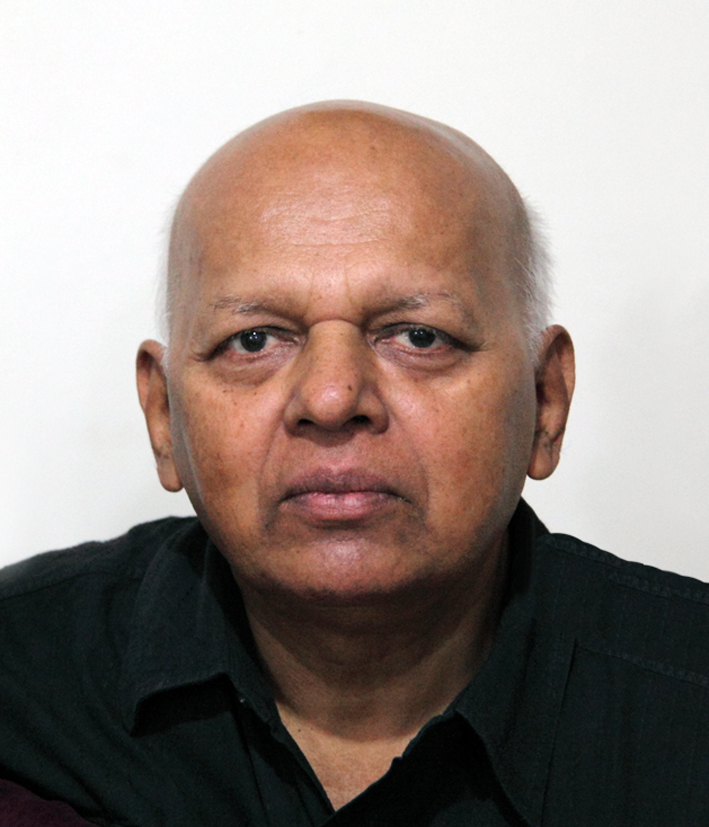
By M.Y.Siddiqui
Medical education in India is plagued by demand-supply mismatch, high costs in the private sector medical institutes, and a lack of uniform quality due to factors like poor infrastructure and underfunded public (government) medical colleges versus profit driven private medical colleges. Other issues include outdated non-clinical curricula, insufficient faculties, a weak regulatory framework, and a limited number of affordable seats, especially at the post-graduate level. Key challenges include supply-demand mismatch, cost and accessibility, varying quality, curriculum and teachings, regulatory and administrative issues, lack of research and innovation.
At present, India has 780 medical colleges. Out of which 431 are government colleges and the rest private colleges including 78 deemed (to be) university private medical colleges. The number is increasing constantly during the last over one decade, to cater to the increasing requirements of society. The union government is promoting opening of new medical colleges and increasing the number of seats in existing medical colleges. It is estimated that India was to achieve a ratio of 1.03 physicians (doctors) per 1000 population. But in the absence of the latest data, not released by the government, it is not clear whether the intended objectives have been achieved. Now the total number of MBBS seats has gone up to 118,000+.
According to an official source in the union Ministry of Health and Family Welfare, there is significant shortages of medical seats compared to the population, particularly in government medical colleges, leading to a large number of aspiring doctors and inadequate supply for the country’s healthcare. At the same time, medical education is exorbitantly expensive in private colleges driven as they are by profit rather than quality. While seats in government colleges are affordable, their numbers are inadequate. The public medical colleges continue to be under invested. The quality of medical education is varying. It is inconsistent. Government medical institutes often suffer from poor infrastructure and underfunding, while private medical institutions often lack sufficient patient loads and doctors working therein are generally unable to meet the given targets with the results they are fired or have to work on lesser salary and be on tenterhooks. The private healthcare institutes are generally perceived substandard as they are solely focused on revenue or business model.
As for the curricula, it is often criticized for being too theoretical and lacking in clinical skills and practical applications, with a heavy emphasis on rote memorization over clinical medicines. There are also shortages of qualified and inspirational teachers on account of low pay in the teaching profession. In the area of research and innovation, there is general neglect of research in many medical colleges, which hinders the advancement of medical knowledge and practices. The cost of MBBS varies in private colleges ranging from 1-2 crore and post-graduate courses of MD and MS from 2 crore to 5 crore. It is learnt authoritatively that half of the total costs is accepted covertly under hand or under table or through third party conduit. In these high cost categories, mostly wards/close relatives of NRIs/PIOs/OCIs get seats or those in the corporate sector or those with black money. Such seats are out of bounds for talented average poor, lower middle class or even upper middle class people.
As for the regulatory and administrative issues, the regulator, National Medical Commission (NMC), the successor of the Medical Council of India (MCI), is seen as ineffective as its predecessor in controlling the regulated growth of private medical colleges and ensuring quality. The NMC is also perceived to be the most corrupt body in new format from the earlier MCI. If only the NCM were stickler for the rule of law, the quality of the products of the private medical colleges would have been qualitatively a better patient friendly and patient satisfactory. Presently, alumni of the private medical colleges are perceived to be killers and not healers. There are also issues with the selection process for students and the evaluation of graduates. A very senior government doctor, on condition of anonymity, told this correspondent that the only contribution made by the NMC, so far, is change of medical oath from Hippocratic Oath to Charak Medical Oath, based on the ancient Ayurvedic system of treatment and cure, in tune with the RSS agenda, detaching Indian medical doctors from the universal norms.
The NMC has embarked upon lofty objectives to bring about credible reforms in medical education and standards of quality performances of doctors by transforming the existing institutional reforms to ensure availability of doctors and specialists, aiming to bring reforms in regulations, National Board of Examination (NBB), access in rural and peripheral areas, upholding merits: one country, one exam (RSS agenda of ‘one size fits all’) syndrome, affordability, quality promoting high standards, impact and outcomes, professionalism, accountability, availability, distribution, merit based, affordability and quality, with the motto to continue the journey of reforms.
The other area of reforms relates to para-medic and other supporting staff to supplement and strengthen the overall healthcare workforce at primary, secondary and tertiary levels in the public and private sectors across the country to provide access to quality care in every corner of rural India. Right now, there are 1.8 million (18 lakh) vacancies in the supporting manpower of healthcare system. This needs to be filled at the earliest to provide all round basic health care throughout the country. The NMC is all for strengthening the holistic approach to the nation-wide health care system. Such manpower would be trained to complement total medical support system. Simultaneously, the drug regulators both at the Centre and States are tightening the quality control measures of medicines to ensure effective supply of effective drugs at the reasonably low prices. A strong medical education system that can create adequate number of qualified and competent medical professionals underpins the availability of competent healthcare workforce!
Powered by Froala Editor
(1).png)
.png)
.png)
LEAVE A REPLY