


Failure of India’s foreign policy!
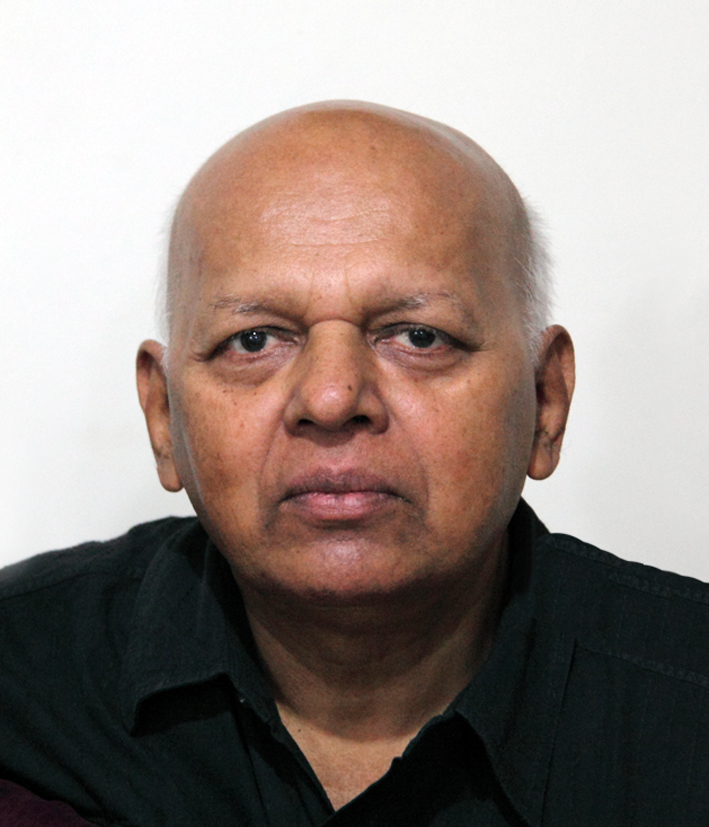
By M.Y.Siddiqui
“ I am ashamed of How Gutless, Spineless Our Government
Has Been”, stated noted author and Pulitzer award winner Arundhati
Roy on US-Israel war on Iran, while talking on her book Mother
Mary Comes to Me on March 9, 2026, in the context of country’s
surrender to appease US over unilaterally imposed trade detrimental
to the interests of our farms and textile sectors, and repeated
humiliation of India by the American President for more than 80
times that he triggered cease-fire between India-Pakistan war during
Operation Sindoor, Prime Minister’s state visit to Israel just two days
before US-Israel war on Iran, his address to the Israeli Parliament
(Knesset) stating that Israel is “fatherland” of Indians, standing in
solidarity with Israeli PM, his unexplained silence on the martyrdom
of Ayatollah Khomeini, India not condemning war on Iran, explain
abject failure of Indian foreign policy.
Other factors are, India’s centuries old cultural and
transactional historical ties with Iran. It appears clear that the PM is
helpless because of his name along with his cabinet minister’s name,
and the name of his close corporate friend figuring in the notorious
Epstein Files, and warrant having been issued against his closest
industrialist fried, aided and abated by a statement of the US
President that he can ruin career of PM any time, but he would not do
so, explains surrender of the government. Current presidency of
BRICS by India is also in limbo as there is no reaction to the Israel-US
war on Iran. PM has hugged nearly every world leader and marketed
each handshake as a great personal friendship. But in the 12 th year of
his stewardship of nation, far from strengthening India’s position, the
country looks more isolated on the world stage than ever. This is the
cost of a foreign policy built on optics, event management and photo-
ops instead of substance, strategy and national interest.
Indian foreign policy since 2014 has faced significant
setbacks, characterized by a challenging security environment with
China, strained ties in the immediate neighborhoods, and a re-
hyphenation of India-Pakistan relations by global powers. Challenges
include territorial losses in Ladakh, diminished influence in South
Asia to China, and a shift towards an unstable multi-alignment
strategy. Key foreign policy shifts include China and border
challenges, declining neighborhood influence, strained regional ties,
failure to isolate Pakistan, strategic ambiguity and non-alignment
shift, saffronised and personalized diplomacy, concern over external
pressure.
According to political observers, India has lost control of
disputed areas in Ladakh. Numerous meetings with Chinese
leadership failed to deter border incursions. Country’s neighborhood
influence has declined. Relations with traditional allies like Nepal,
Bangladesh and the Maldives have weakened, with neighboring
nations expanding ties with China. Policies like the Citizenship
Amendment Act and internal matters in neighboring countries have
created frictions, while SAARC (South Asian Association for Regional
Cooperation) has remained inactive since 2014. India also failed to
declare Pakistan a state sponsor of terror, and international partners
including Russia, have sometimes recalibrated their positions
towards Pakistan.
In addition, there has been strategic ambiguity and non-
alignment shift in country’s foreign policy. Accordingly, India moved
away from non-alignment to multi-alignment leading to questions
about its strategic focus, especially in balancing relations between
the US and Russia, particularly following the Ukraine conflict. Other
important matter that has destroyed India’s foreign policy have been
saffronised and personalized diplomacy, using it for domestic
narrative building rather than traditional diplomatic interests.
Besides, concerns have been raised over the inability to pursue an
independent policy regarding energy security, citing pressures from
the US over imports from Iran. That’s how the country’s consistent
robust independent non-aligned foreign policy has been
overshadowed since 2014!
Powered by Froala Editor
(1).png)
.png)
.png)
LEAVE A REPLY