


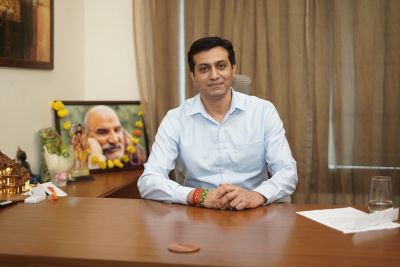
Media Editorial Republic Day 2026 // गणतंत्र दिवस 2026: संवैधानिक मूल्यों से ग्राम-आधारित राष्ट्र निर्माण तक — डॉ. पंकज शुक्ला (संस्थापक: ग्राम्य | अध्यक्ष: ASRE | राष्ट्रीय उपाध्यक्ष: कराटे एसोसिएशन ऑफ इंडिया) + Republic Day 2026: From Constitutional Values to Village-Based Nation Building — Dr. Pankaj Shukla (Founder: Gramya | Chairman: ASRE | National Vice President: Karate Association of India)

|  Jan 22, 2026, 7:17 PM (22 hours ago) Jan 22, 2026, 7:17 PM (22 hours ago) | |||
| ||||

गणतंत्र दिवस 2026: संवैधानिक मूल्यों से ग्राम-आधारित राष्ट्र निर्माण तक
— डॉ. पंकज शुक्ला
(संस्थापक: ग्राम्य | अध्यक्ष: ASRE | राष्ट्रीय उपाध्यक्ष: कराटे एसोसिएशन ऑफ इंडिया)
वर्ष 2026 भारत के लोकतांत्रिक इतिहास में एक महत्वपूर्ण पड़ाव है। इस वर्ष भारत संविधान अंगीकार किए जाने के 77 वर्ष पूरे कर रहा है और 26 जनवरी 2026 को देश अपना 77वां गणतंत्र दिवस मना रहा है। यह अवसर केवल संविधान को अंगीकार करने की ऐतिहासिक स्मृति का नहीं, बल्कि उन मूल्यों को व्यवहार में उतारने के आत्ममंथन का भी है जिन पर भारतीय गणराज्य की नींव रखी गई थी।
गणतंत्र दिवस हमें यह स्मरण कराता है कि लोकतंत्र केवल एक शासन प्रणाली नहीं, बल्कि नागरिकों की चेतना, सहभागिता और उत्तरदायित्व का जीवंत स्वरूप है। यह दिन हमें अतीत की उपलब्धियों पर गर्व करने के साथ-साथ ‘विकसित भारत @2047’ की दिशा तय करने का नैतिक दायित्व भी सौंपता है। संविधान ने भारत को संप्रभु, समाजवादी, पंथनिरपेक्ष और लोकतांत्रिक गणराज्य घोषित किया, किंतु इन शब्दों का वास्तविक अर्थ तभी पूर्ण होता है जब न्याय, अवसर और सम्मान अंतिम पंक्ति में खड़े नागरिक तक पहुंचे। भारत की आत्मा उसके 6.65 लाख गांवों में बसती है—यह केवल एक भावनात्मक कथन नहीं, बल्कि सामाजिक और आर्थिक यथार्थ है। इसलिए यदि राष्ट्र निर्माण को टिकाऊ, समावेशी और दीर्घकालिक बनाना है, तो उसका आधार ग्राम-केंद्रित विकास ही होना चाहिए।
सशक्तिकरण-आधारित विकास की नई परिभाषा
पिछले एक दशक में भारत ने विकास की परिभाषा को व्यापक रूप से पुनर्परिभाषित किया है। प्रधानमंत्री नरेंद्र मोदी के नेतृत्व में शासन का केंद्र अधिकार-आधारित कल्याण से आगे बढ़कर सशक्तिकरण-आधारित राष्ट्र निर्माण की ओर स्थानांतरित हुआ है। ‘सबका साथ, सबका विकास, सबका विश्वास और सबका प्रयास’ की भावना ने नीति निर्माण और क्रियान्वयन—दोनों स्तरों पर—नई ऊर्जा का संचार किया है।
वर्ष 2026 तक भारत विश्व की सबसे तेज़ी से बढ़ती प्रमुख अर्थव्यवस्थाओं में बना हुआ है, और इस प्रगति का बड़ा हिस्सा ग्रामीण भारत की भागीदारी से संभव हुआ है। आंकड़े बताते हैं कि ग्रामीण अर्थव्यवस्था में औपचारिक डिजिटल लेनदेन 92 प्रतिशत तक पहुंच चुका है, ग्रामीण महिला उद्यमिता में 47 प्रतिशत की वृद्धि दर्ज की गई है, और 10 लाख से अधिक गांव सशक्त वाई-फाई तथा डिजिटल सेवाओं से जुड़ चुके हैं। ये केवल आंकड़े नहीं, बल्कि नए भारत के उभरते चेहरे हैं।
महिला-नेतृत्व विकास: परिवर्तन की धुरी
महिला-नेतृत्व विकास इस परिवर्तन का सबसे सशक्त उदाहरण है। मोदी युग की सबसे महत्वपूर्ण उपलब्धियों में महिला-नेतृत्व विकास का संस्थागत रूप लेना प्रमुख है। आज ग्रामीण भारत की महिलाएं केवल लाभार्थी नहीं, बल्कि परिवर्तन की अगुवा बन रही हैं। स्वयं सहायता समूहों का नेटवर्क 10 करोड़ से अधिक महिलाओं तक पहुंच चुका है, जो ग्रामीण अर्थव्यवस्था में लगभग 12 प्रतिशत का योगदान दे रहा है। वर्ष 2026 तक ग्रामीण महिला कार्यबल भागीदारी बढ़कर 28 प्रतिशत के पार पहुंच गई है।
इसी राष्ट्रीय दृष्टि के अनुरूप, ग्राम्य द्वारा संचालित ‘मिशन शक्ति’ कार्यक्रम ने 2023 से 2026 के बीच 15,000 से अधिक ग्रामीण महिला उद्यमियों को सशक्त बनाया है, जिन्होंने ₹250 करोड़ से अधिक का व्यवसाय उत्पन्न किया है। ‘शक्ति ऐप’ आज 50,000 से अधिक उपयोगकर्ताओं को वित्तीय साक्षरता, बाजार संपर्क और डिजिटल भुगतान समाधान प्रदान कर रहा है। अनुभव यह सिद्ध करता है कि जब महिलाएं आर्थिक रूप से आत्मनिर्भर होती हैं, तो उसका प्रभाव केवल व्यक्तिगत स्तर तक सीमित नहीं रहता, बल्कि परिवार, समाज और अंततः राष्ट्र की प्रगति में परिवर्तित हो जाता है। ‘श्रृंगार बने हथियार’ जैसे अभियानों के माध्यम से ग्राम्य ने आर्थिक सशक्तिकरण के साथ-साथ आत्मरक्षा द्वारा महिलाओं में आत्मविश्वास का संचार भी किया है।
कृषि, पोषण और टिकाऊ ग्रामीण समृद्धि
कृषि आज भी ग्रामीण भारत की जीवनरेखा है और लगभग 46 प्रतिशत कार्यबल को रोजगार प्रदान करती है। बदलते जलवायु परिदृश्य, बाजार की अस्थिरता और लागत दबाव के बीच किसानों को टिकाऊ समाधानों की आवश्यकता है। हाल के वर्षों में कृषि सुधारों का फोकस आय वृद्धि, मूल्य संवर्धन और बाजार एकीकरण पर केंद्रित रहा है।
बजट 2025–26 में ‘कृषि समृद्धि और लचीलापन’ कार्यक्रम के माध्यम से तकनीक-आधारित खेती पर विशेष जोर दिया गया। पोषण सुरक्षा इस कृषि विमर्श का अभिन्न अंग है। महिला किसानों और ग्रामीण महिलाओं की भूमिका को स्वीकार किए बिना पोषण-आधारित विकास संभव नहीं। इसी दृष्टिकोण से ग्राम्य का ‘मिशन अन्नपूर्णा’ कार्यक्रम 5,000 से अधिक महिला किसानों को जैविक खेती, मूल्य संवर्धन और बाजार संपर्क में प्रशिक्षित कर चुका है, जिससे उनकी आय में 40–60 प्रतिशत तक की वृद्धि हुई है। ग्राम्य के ग्रीन हाइड्रोजन संयंत्र ने अब तक 10,000 टन से अधिक कार्बन उत्सर्जन को कम किया है, जो कृषि और ऊर्जा के बीच टिकाऊ संबंध को दर्शाता है।
दुग्ध क्षेत्र और सहकारिता का नवजागरण
दुग्ध क्षेत्र ग्रामीण भारत में आर्थिक स्थिरता का एक विश्वसनीय आधार रहा है। भारत विश्व का सबसे बड़ा दुग्ध उत्पादक देश है, जिसकी वैश्विक हिस्सेदारी 25 प्रतिशत है। सहकारिता मॉडल ने इस क्षेत्र में सामूहिक शक्ति का उत्कृष्ट उदाहरण प्रस्तुत किया है।
केंद्रीय सहकारिता मंत्री अमित शाह द्वारा प्रतिपादित सुधारों—जैसे PACS का कंप्यूटरीकरण और बहुउद्देशीयकरण—ने सहकारिता को अधिक पारदर्शी और सक्षम बनाया है। इसी दृष्टि के अनुरूप, ग्राम्य का ‘ग्राम डेयरी काउंसलर’ कार्यक्रम 300 से अधिक गांवों में 500 से अधिक युवाओं को प्रशिक्षित कर चुका है, जिससे दुग्ध उत्पादकता में 35 प्रतिशत और किसान आय में 25 प्रतिशत तक की वृद्धि दर्ज की गई है।
सतत विकास और वेस्ट-टू-एनर्जी
सतत विकास आज विकल्प नहीं, बल्कि अनिवार्यता बन चुका है। स्वच्छ भारत अभियान 2.0 और नवीकरणीय ऊर्जा लक्ष्यों ने गांवों में स्वच्छता, अपशिष्ट प्रबंधन और ऊर्जा उत्पादन की नई संभावनाएं खोली हैं। ग्राम्य की ‘वेस्ट-टू-एनर्जी’ पहल के अंतर्गत 50 से अधिक गांवों में बायोगैस संयंत्र स्थापित किए गए हैं, जो 5 मेगावाट ऊर्जा उत्पन्न कर रहे हैं। यह मॉडल प्रति गांव ₹5–10 लाख वार्षिक आय के साथ-साथ वायु प्रदूषण में 60 प्रतिशत तक कमी ला रहा है।
खेल, अनुशासन और युवा शक्ति
खेल और अनुशासन भी राष्ट्र निर्माण के महत्वपूर्ण आयाम हैं। कराटे एसोसिएशन ऑफ इंडिया के राष्ट्रीय उपाध्यक्ष के रूप में मेरा अनुभव बताता है कि खेल शारीरिक दक्षता के साथ-साथ मानसिक अनुशासन, आत्मविश्वास और नेतृत्व कौशल का निर्माण करते हैं। वर्ष 2026 तक 500 से अधिक ग्रामीण स्कूलों में कराटे प्रशिक्षण केंद्र स्थापित किए जा चुके हैं, जिससे 25,000 से अधिक युवाओं को लाभ मिला है। हमारा लक्ष्य 2027 तक 500 ‘विलेज कराटे हब’ स्थापित करना है, ताकि खेल गांवों से भी वैश्विक मंच तक पहुंचे।
ASRE और ग्राम्य: समग्र ग्रामीण रूपांतरण
ASRE (एसोसिएशन फॉर सस्टेनेबल रूरल एम्पावरमेंट) ने ‘समृद्ध ग्राम, समृद्ध भारत’ अभियान को राष्ट्रीय स्तर पर मजबूती दी है। वर्ष 2026 तक ASRE ने मध्य प्रदेश के 1,200 से अधिक गांवों में कार्य करते हुए 10,000 से अधिक परिवारों को माइक्रोलोन, कौशल विकास और डिजिटल टूल्स से जोड़ा है। ई-ग्राम्य स्टोर ने 2,000 से अधिक कारीगरों और किसानों को वैश्विक बाजारों से जोड़कर ₹50 करोड़ से अधिक का कारोबार सृजित किया है।
गणतंत्र दिवस का संकल्प
गणतंत्र दिवस हमें यह स्मरण कराता है कि संविधान केवल एक कानूनी दस्तावेज नहीं, बल्कि एक सामाजिक अनुबंध है। यह अनुबंध तभी जीवित रहता है जब प्रत्येक नागरिक स्वयं को राष्ट्र निर्माण का सहभागी माने। जब महिलाएं उद्यमी बनती हैं, किसान कृषि नेता बनते हैं, सहकारिताएं आधुनिक होती हैं और गांव नवाचार के केंद्र बनते हैं, तब गणराज्य सशक्त होता है। ग्राम-आधारित राष्ट्र निर्माण ही विकसित भारत की रीढ़ है।
77वें गणतंत्र दिवस पर यही संकल्प आवश्यक है कि हम संविधान के आदर्शों को गांवों से राष्ट्र तक साकार करें। यही हमारे संविधान की सच्ची भावना है और यही सशक्त भारत की आधारशिला है।
जय हिंद।
Media Contact : 9818266704
******************************
Republic Day 2026: From Constitutional Values to Village-Based Nation Building
— Dr. Pankaj Shukla
(Founder: Gramya | Chairman: ASRE | National Vice President: Karate Association of India)
In 2026, India stands at a significant constitutional milestone. Seventy-seven years have passed since the adoption of the Constitution of India, and on 26 January 2026, the nation celebrates its 77th Republic Day. This occasion is not merely a remembrance of a historic legal event that took place in 1950, but a profound moment of national introspection. Republic Day invites us to examine how faithfully the ideals enshrined in the Constitution have been translated into lived realities for every citizen, especially those standing at the farthest margins of development.
Republic Day reminds us that democracy is not confined to institutions, elections, or governance structures. It is a living expression of collective consciousness, civic participation, accountability, and shared responsibility. The Constitution declared India a sovereign, socialist, secular, and democratic republic, but the true meaning of these words is realized only when justice, opportunity, and dignity reach the citizen standing in the last row. This day therefore entrusts us not only with pride in past achievements but also with the moral obligation to chart a clear and inclusive path toward Developed India @2047.
The soul of India resides in its 6.65 lakh villages. This is not a romantic or emotional assertion; it is a social and economic reality rooted in history, demography, and culture. Rural India continues to house the majority of the population, sustain food security, preserve cultural continuity, and supply the human capital that fuels urban growth. If nation building is to be sustainable, resilient, and inclusive, its foundation must be village-centric. Without empowered villages, national progress remains uneven and fragile. Over the past decade, India has undertaken a decisive shift in its development philosophy. Under the leadership of Prime Minister Narendra Modi, governance has moved beyond rights-based welfare delivery toward empowerment-driven nation building. The guiding principle of Sabka Saath, Sabka Vikas, Sabka Vishwas, and Sabka Prayas has reshaped policy design and grassroots implementation alike. This approach emphasizes capability creation over dependency and participation over passive entitlement.
By 2026, India remains among the world’s fastest-growing major economies. A significant share of this growth has been enabled by rural participation. Formal digital transactions in the rural economy have crossed 92 percent, rural women entrepreneurship has grown by 47 percent, and over one million villages are now connected to reliable digital infrastructure and broadband services. These figures represent more than numerical success; they signal the emergence of a more connected, confident, and aspirational rural India.
Women-led development stands out as the most transformative dimension of this national transition. One of the most enduring achievements of the present era has been the institutionalization of women’s leadership in economic and social development. Rural women are no longer viewed merely as beneficiaries of welfare programs. They are increasingly recognized as entrepreneurs, decision-makers, community leaders, and agents of change. India’s Self-Help Group movement now connects over 100 million women, contributing nearly 12 percent to the rural economy. By 2026, rural women’s workforce participation has risen beyond 28 percent, reflecting a steady shift in social norms and economic structures. Aligned with this national vision, Gramya’s Mission Shakti program has empowered more than 15,000 rural women entrepreneurs between 2023 and 2026, collectively generating business turnover exceeding ₹250 crore.
The Shakti App now serves over 50,000 users by providing financial literacy, market access, enterprise guidance, and digital payment solutions. Experience consistently demonstrates that when women become economically self-reliant, the impact multiplies beyond the individual. It transforms families, strengthens communities, and accelerates national development. Initiatives such as Shringar Bane Hathiyar have further combined economic empowerment with self-defense training, reinforcing dignity, confidence, and personal security among women.
Agriculture remains the backbone of rural India, providing livelihoods to nearly 46 percent of the workforce. Yet farmers today face unprecedented challenges arising from climate change, market volatility, and rising input costs. Recent agricultural reforms have therefore focused on income enhancement, value addition, technological adoption, and market integration rather than production alone.
The Union Budget 2025–26 emphasized technology-enabled agriculture through the Agricultural Prosperity and Resilience framework. Nutrition security has emerged as an inseparable component of agricultural policy. Sustainable development is impossible without acknowledging the central role of women farmers and rural households in nutrition outcomes. Gramya’s Mission Annapurna has trained over 5,000 women farmers in organic cultivation, food processing, and market linkage models, resulting in income growth ranging from 40 to 60 percent. Gramya’s Green Hydrogen initiative has reduced more than 10,000 tonnes of carbon emissions, demonstrating how agriculture and clean energy can reinforce one another. The objective is not merely higher output but healthier families and a capable future generation. When agriculture and nutrition progress together, development acquires depth, resilience, and intergenerational impact. The dairy sector has long served as a stabilizing force in rural India. As the world’s largest milk producer with a 25 percent global share, India’s dairy success rests on the labor of millions of smallholder farmers. Cooperative institutions have played a defining role in this achievement by converting collective effort into shared prosperity.
Recent reforms led by the Ministry of Cooperation have strengthened transparency, professional governance, and technological integration in cooperatives. Measures such as the computerization and diversification of Primary Agricultural Credit Societies have modernized grassroots institutions without diluting farmer ownership. Gramya’s Gram Dairy Counsellor program has trained over 500 youth across more than 300 villages, resulting in a 35 percent increase in milk productivity and up to 25 percent growth in farmer incomes. This initiative strengthens animal health services, improves cooperative participation, enhances market literacy, and supports the transition from subsistence operations to competitive rural enterprises. The goal is to enable a smooth journey from cooperative structures to professionally managed rural enterprises while safeguarding farmer dignity and control.
Sustainable development has now become an imperative rather than an option. Environmental stewardship and circular economy principles are as relevant to villages as they are to cities. Swachh Bharat Mission 2.0 and renewable energy initiatives have unlocked new opportunities in sanitation, waste management, and decentralized energy generation.
Gramya’s Waste-to-Energy initiative has established biogas plants in more than 50 villages, producing five megawatts of energy from agricultural residue and animal waste. This model generates annual income of ₹5 to ₹10 lakh per village while reducing air pollution by nearly 60 percent. It demonstrates that ecological responsibility and economic benefit are not contradictory but complementary. When villages become energy self-reliant, national sustainability goals acquire a strong grassroots foundation. Sports and discipline represent another vital dimension of nation building. As National Vice President of the Karate Association of India, my experience reinforces the belief that sports nurture far more than physical fitness. They build discipline, resilience, confidence, leadership, and social cohesion. Programs such as Fit India and Khelo India are therefore essential national investments rather than symbolic campaigns.
By 2026, karate training centers have been established in over 500 rural schools, benefiting more than 25,000 youth. Karate has become a medium through which rural youth learn discipline and girls develop a sense of strength and fearlessness. The vision for 2027 is to establish 500 Village Karate Hubs across rural India, ensuring that sporting excellence is not confined to urban centers and that Olympic champions also emerge from villages.
Throughout this journey, the role of ASRE, the Association for Sustainable Rural Empowerment, has been integral. ASRE has strengthened the Prosperous Village, Prosperous India campaign at the national level. By 2026, it has worked in more than 1,200 villages across Madhya Pradesh, connecting over 10,000 families with microfinance, skill development, and digital tools. During 2025–26, ASRE established digital classrooms in over 500 rural schools, provided leadership training to more than 1,000 rural women, and launched telemedicine services in over 200 villages. Parallelly, the E-Gramya Store connected more than 2,000 artisans and farmers with global markets, generating business exceeding ₹50 crore. Combined investments and partnerships by Gramya and ASRE during this period crossed ₹150 crore, injecting momentum into the rural economy through an integrated economic, social, and cultural approach.
Republic Day ultimately reminds us that the Constitution is not merely a legal document but a living social contract. This contract remains alive only when citizens view themselves as active participants in nation building. When women become entrepreneurs, farmers become leaders, cooperatives modernize, and villages evolve into innovation hubs, the republic grows stronger.
The vision of a developed India extends beyond economic indicators. It encompasses dignity, equality of opportunity, environmental balance, and social harmony. Village-based nation building is the backbone of this vision. In 2026, India continues to advance toward Developed India @2047 through decisive leadership, clear priorities, and collective effort.
Republic Day must therefore not remain confined to ceremonial celebration. It should become a day of reflection and renewed commitment. The Constitution grants rights, but it also reminds us of duties. When villages, farmers, women, youth, and cooperatives enter the mainstream of development, constitutional ideals take tangible form.
The life and work of Dr. Pankaj Shukla demonstrate that empowered villages, capable farmers, secure women, and disciplined youth form the foundation of a strong and developed India. In 2026, his initiatives actively contribute to national goals of increasing women’s participation in the rural economy to 40 percent, connecting one crore rural households with sustainable energy, and empowering five crore youth through skill development. With this conviction, may the 77th Republic Day inspire every citizen to contribute toward building a village-based, inclusive, and self-reliant India. This is the true spirit of our Constitution, and this alone is the cornerstone of a strong nation.
Jai Hind.
Media Contact : 9818266704
Powered by Froala Editor
(1).png)
.png)
.png)
LEAVE A REPLY